
Heritage consultant David Hicks brings us the stories behind some of East Lothian’s historic properties.
V
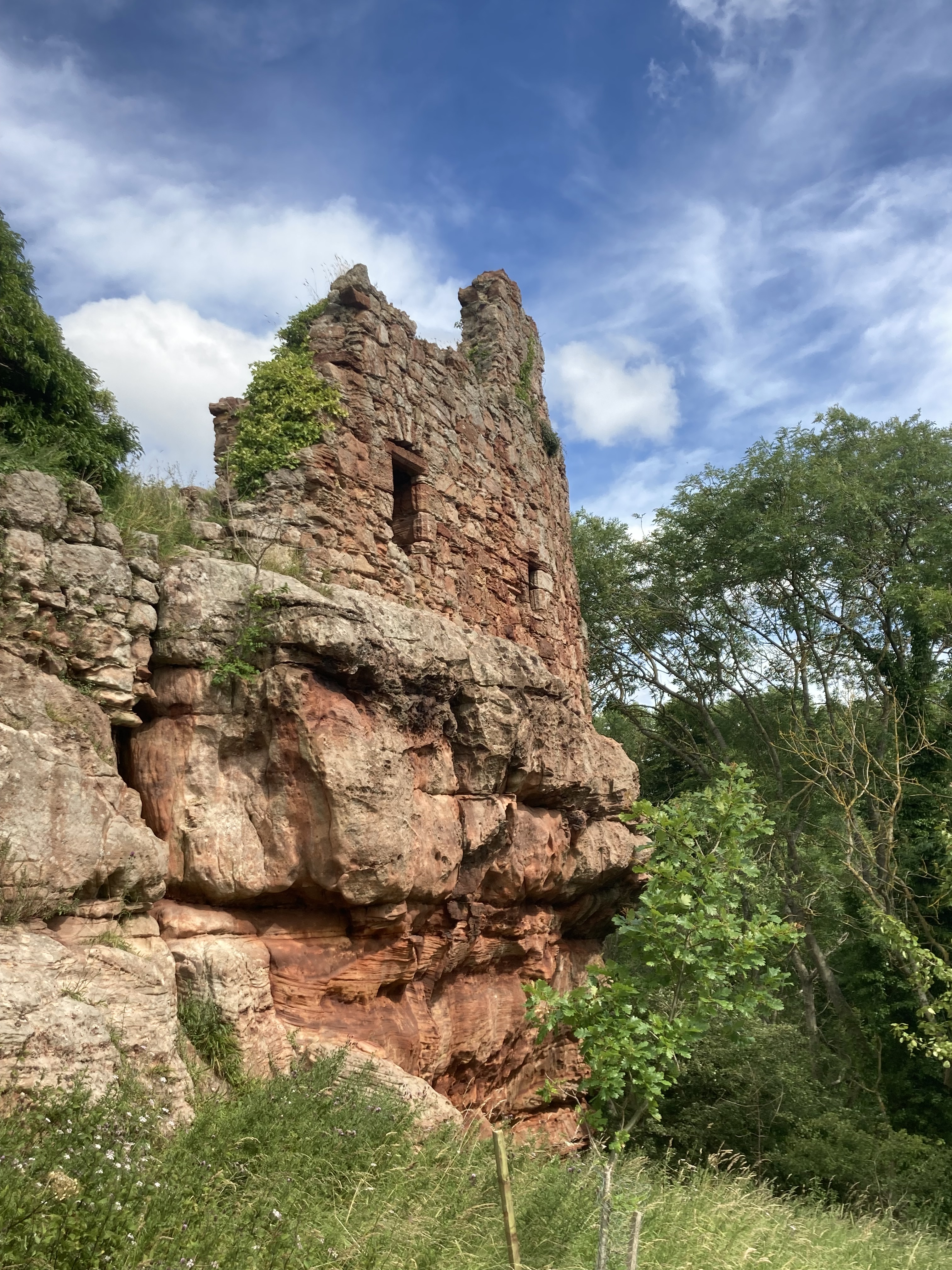
isiting Innerwick Castle is a little like stepping into the pages of Sleeping Beauty. You stumble across the ruins perched on a rocky outcrop above the wooded Thornton Glen, a place long since abandoned and left to be reclaimed by nature.
This is clearly an excellent location for a castle,
a naturally defensible site with steep crags on three sides leading down to a burn below. On the remaining side a ditch was dug through the rock, 15 feet deep and 18 feet wide, cutting off the site completely. Slots cut into the rock on either side of the ditch suggest that access to the castle was via a wooden bridge.
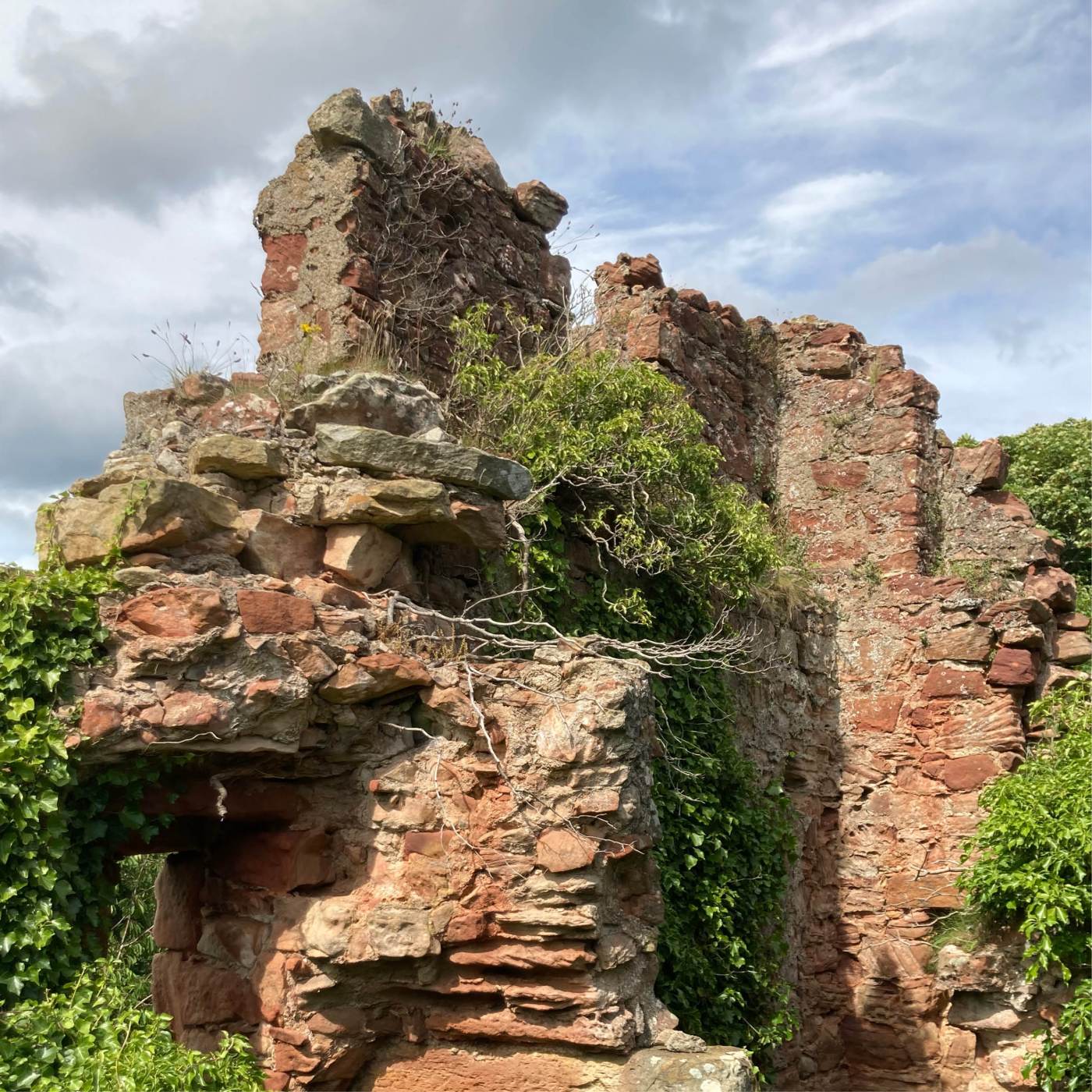
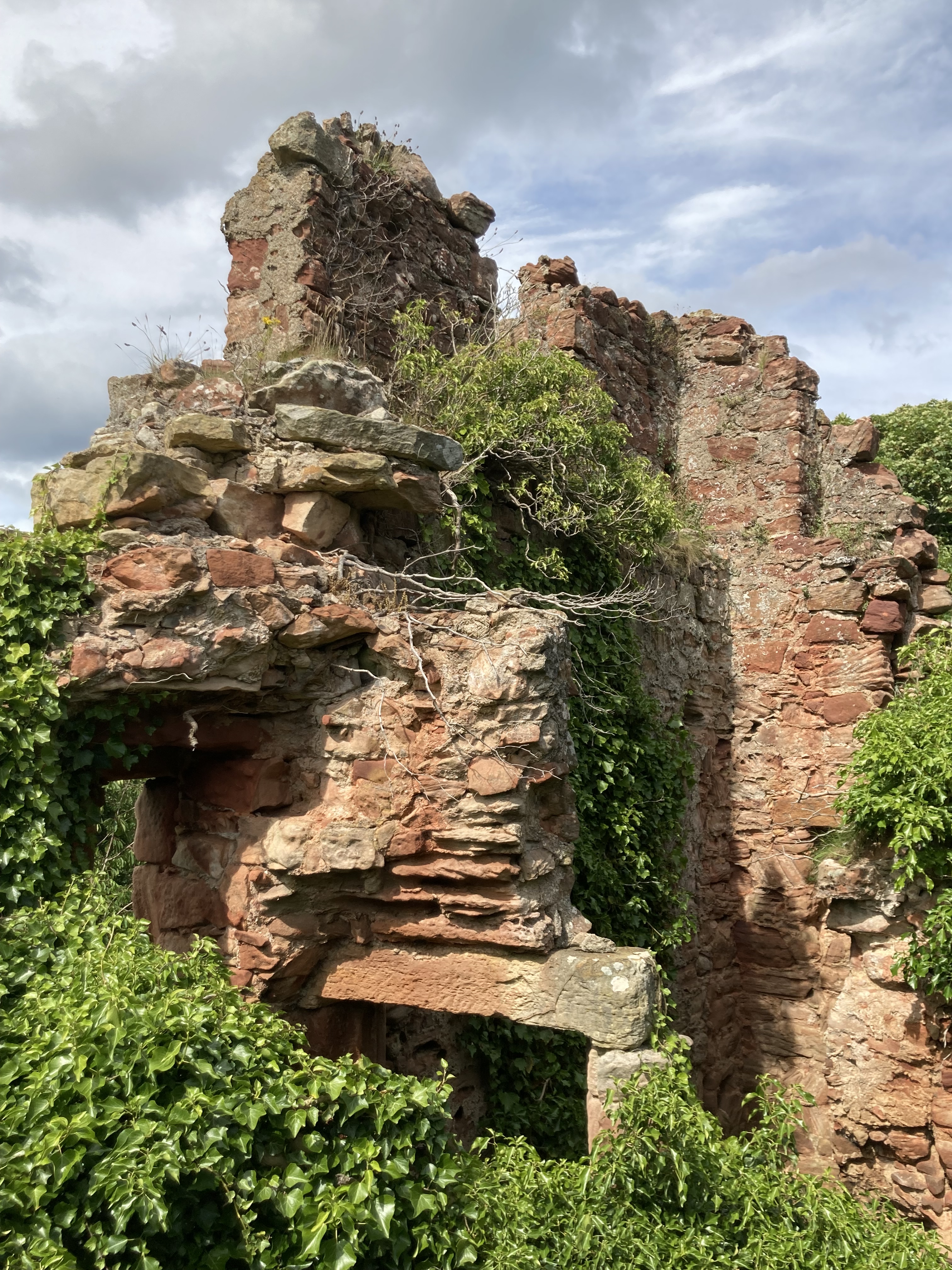
The ruins you see today date to the 1400s and 1500s, but it is likely the site was occupied before. Mostly only the lower storeys survive, which makes it difficult to understand how the castle looked in its heyday. From the footpath, though, you can look up through the remains of one of the main blocks and make out doors, windows, fireplaces and stairs, giving clues about life here in the past.
Around 1403 Innerwick was besieged by an army led by the infamous knight Henry ‘Hotspur’ Percy, and when recaptured by the Scots it was razed to the ground. The castle was then rebuilt, only to be attacked again in 1547 by an English army. We have a few details about the events that followed, thanks to the chronicler William Patten, who accompanied the army on its campaign.
He tells how the small garrison blocked the outer doors and the stairs, and made their defence from the battlements. English soldiers forced their way in and started a fire in the lower storey so that the “smoke and smoother” made the defenders ask for mercy. Then, one of them decided to jump from the battlements into the burn over 70 feet below. Amazingly, he survived the fall and ran up the burn, trying to escape. But as Patten described, he “…ran a furlong before he was overtaken and slain”, a sad end to such a brave act.
Innerwick Castle was then destroyed, leaving a pile of ruins to be pillaged by locals for its stone. By the nineteenth century the castle was valued as a picturesque ruin, described in romantic terms by Sir Walter Scott and sketched by JMW Turner. I would agree with them that the whole site has a certain fairytale quality,
a hidden and intriguing place.

 yourlocallife.co.uk