

Keep your skin glowing and hydrated this autumn and winter with these active skincare ingredients that do all the hard work for you.
The cooler months can be unforgiving for your complexion. The fluctuations between indoor and outdoor temperatures ask more of our skin than any other time of the year, so start planning how to counter the chills and chaffs.
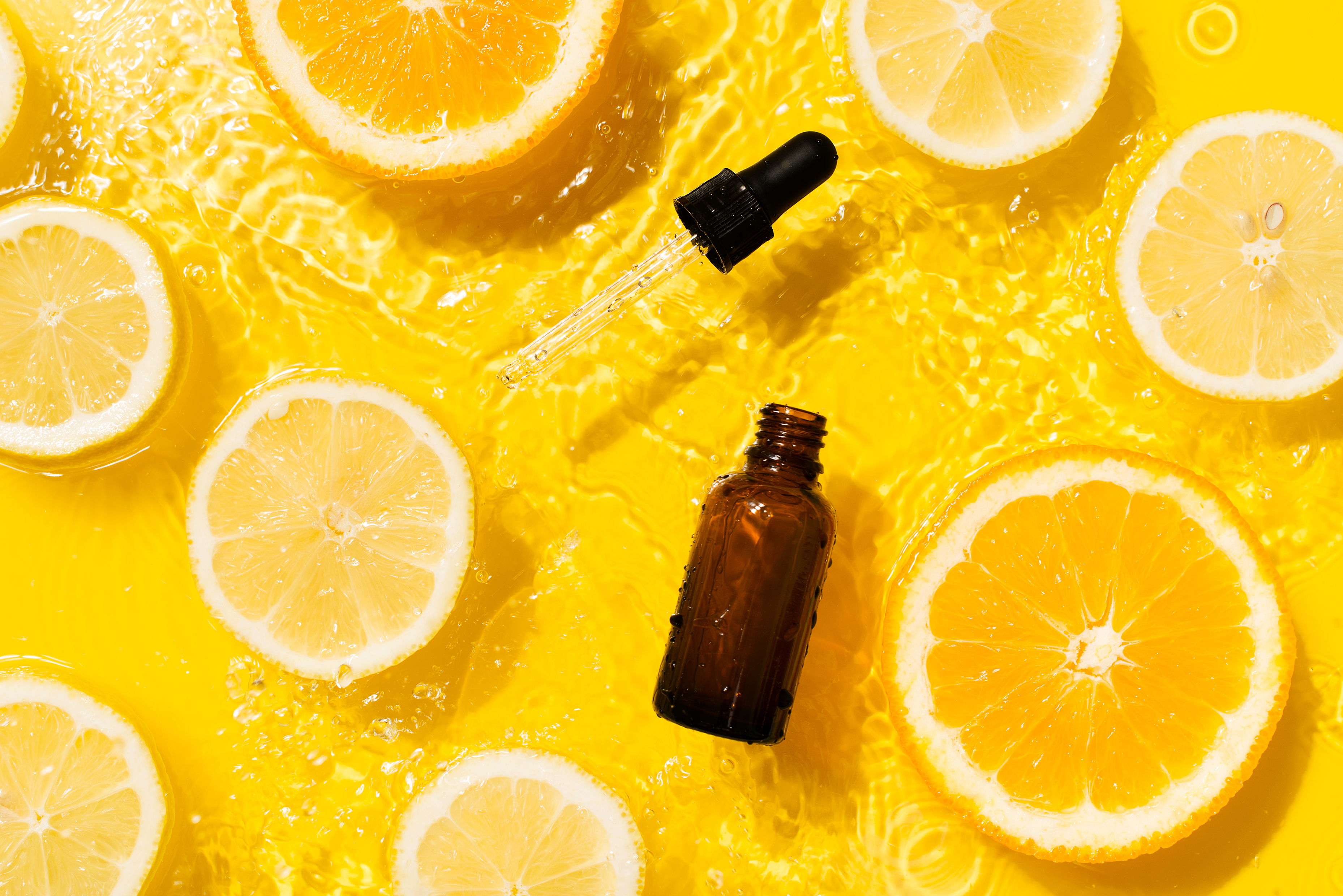
Vitamin C
We all know how powerful vitamin C can be in banishing a nasty cold, but what is lesser known is its miraculous results when applied topically.
A potent antioxidant, it counteracts the effects of pollution whilst also improving overall skin tone by lessening dark spots and plumping collagen to reduce wrinkles and other associated sun damage.
Suitable for all skin types, vitamin C is like sunshine in a bottle and can be applied in various ways depending on your needs. A vitamin C sheet mask is a great way to brighten dull skin after a big night out. Those under 30 can benefit from a light moisturiser containing vitamin C. After which, you’ll want to start considering daily application of something a little stronger like a serum or rich moisturiser which really delivers all that complexion-boosting goodness directly where it’s needed, every morning.
Acids
They might not sound like the most alluring addition to your skincare routine, but acids make the micro-bead and apricot seed exfoliators of yore look amateurish. Though not to be used with entirely reckless abandon, acids safely stimulate cell renewal and work wonders on several issues: scarring, blemishes, pigmentation, dullness, collagen-boosting and even hydration.
Alpha-hydroxy acids, or AHAs, work by dissolving dead skin cells and encouraging the dermis to speed up cell rejuvenation. Particularly suitable for dry and lacklustre complexions, skin is instantly brightened and improved. This process can create a slight tingle, so such solutions and serums should be used no more than twice a week and sparingly at first, particularly if you have sensitive skin.
Beta-hydroxy acids (BHAs) work similarly but penetrate more deeply to clear away embedded dirt, meaning they are ideal for acne sufferers and more oily skin types. Other acids include malic and citric acid, which both help to reduce sunspots and pigmentation. Mandelic acid is antibacterial, and azelaic acid is anti-inflammatory and great for reducing rosacea.
Retinol
Last but not least is retinol, a formidable powerhouse that has potent skin-reparative and age-defying benefits. A vitamin A derivative, retinol re-energises sluggish fibroblasts and boosts collagen, hyaluronic acid and elastin that keep skin smooth and supple, making it a worthy foe for wrinkles, acne, sun-damaged and pockmarked skin. In other words, it boasts near-magical properties.
Most retinol formulas are for overnight use because they increase sun sensitivity. In the past, retinoids had a reputation for causing unsightly redness and peeling – Sex and the City fans may recall Samantha’s chemical peel, which left her literally red-faced at an A-list event! However, modern formulas in milder strengths have largely eliminated this problem.
Unless you suffer from conditions such as acne scarring, sun damage, etc., you probably won’t need to include retinol into your skin regime until your late twenties/early thirties, and even then, it’s worth applying a weaker solution every other night to build up tolerance.
When it comes to skincare, prevention is better than cure, and when your 50-something façade is getting all the compliments, you’ll be glad you invested.


 yourlocallife.co.uk