
An interior design trend that, not so long ago, impacted everything from shelves to shoe racks has made a comeback this year.
Rustic style is not new to the world of interior design. Yet once consigned to the scrap heap of passé fashion, this style has regained prominence this year as a treasured classic. Rustic points to a revival of the natural, earthy look. Whether in cottages or city dwellings, the rustic style’s warm tones and rugged textures are finding a renewed appreciation. With a world that can sometimes feel increasingly disconnected from nature, the resurgence of rustic interior design is a welcome reconnection, an artful embrace of the unpolished and authentic.
So, how do you pull off the look successfully?
Furniture
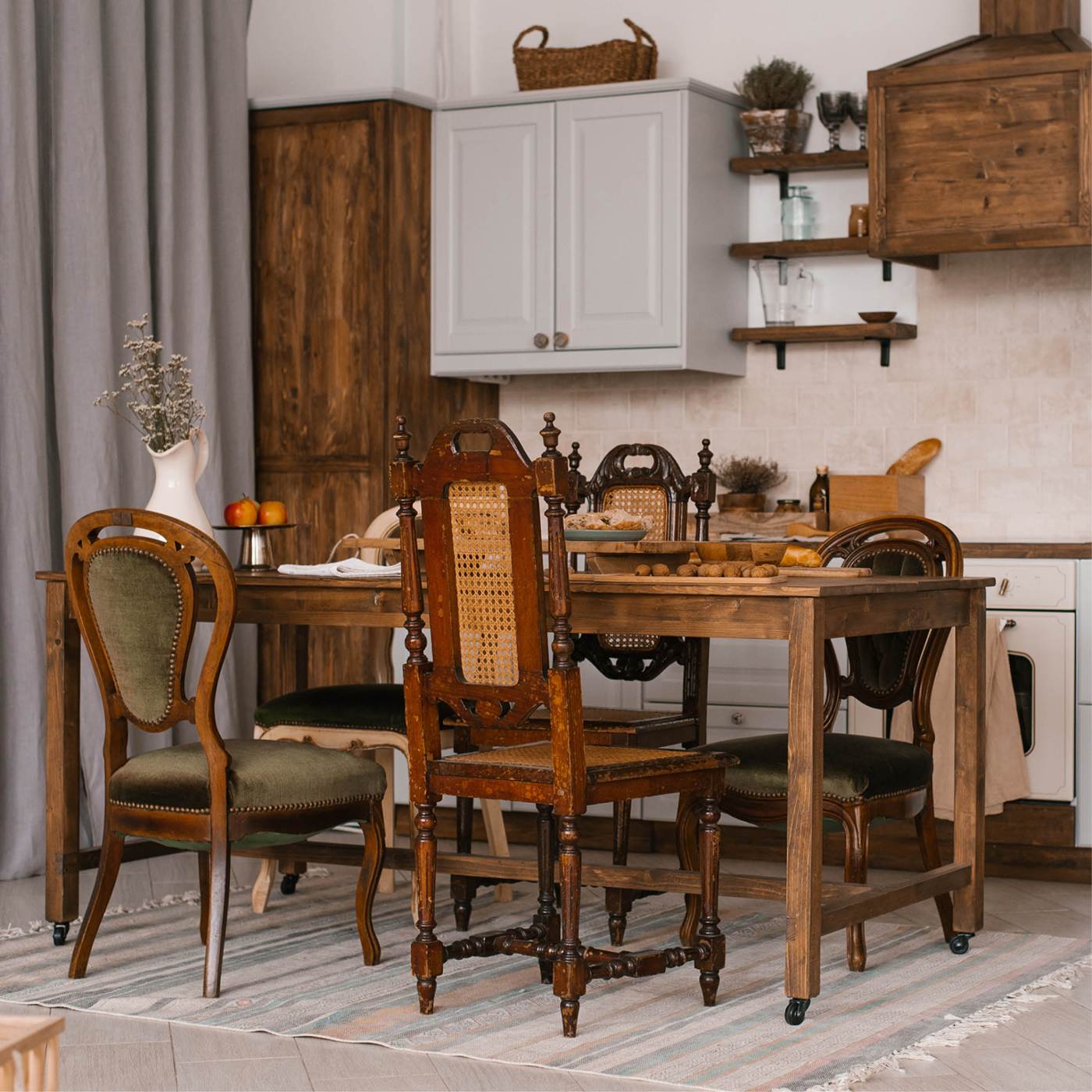
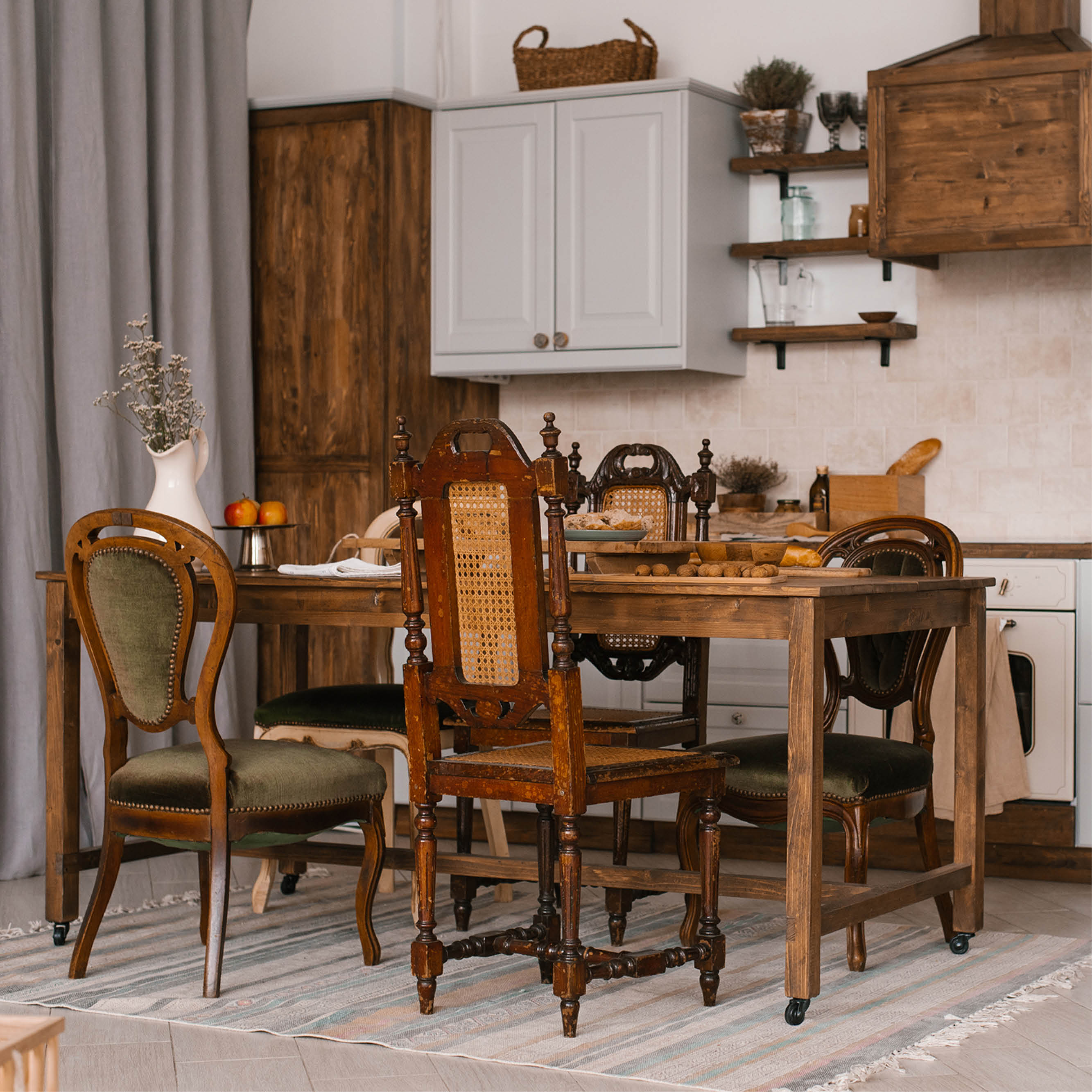
One key element in rustic design is using distressed or rough wood, often coupled with leather and raw edges. These textures give a genuine and organic feel and allude to history and storytelling.
Vintage armchairs and reclaimed wooden tables become more than pieces of furniture; they narrate tales of yesteryears, and this provenance means they can even be handmade without requiring the precision of a master artisan.
Materials
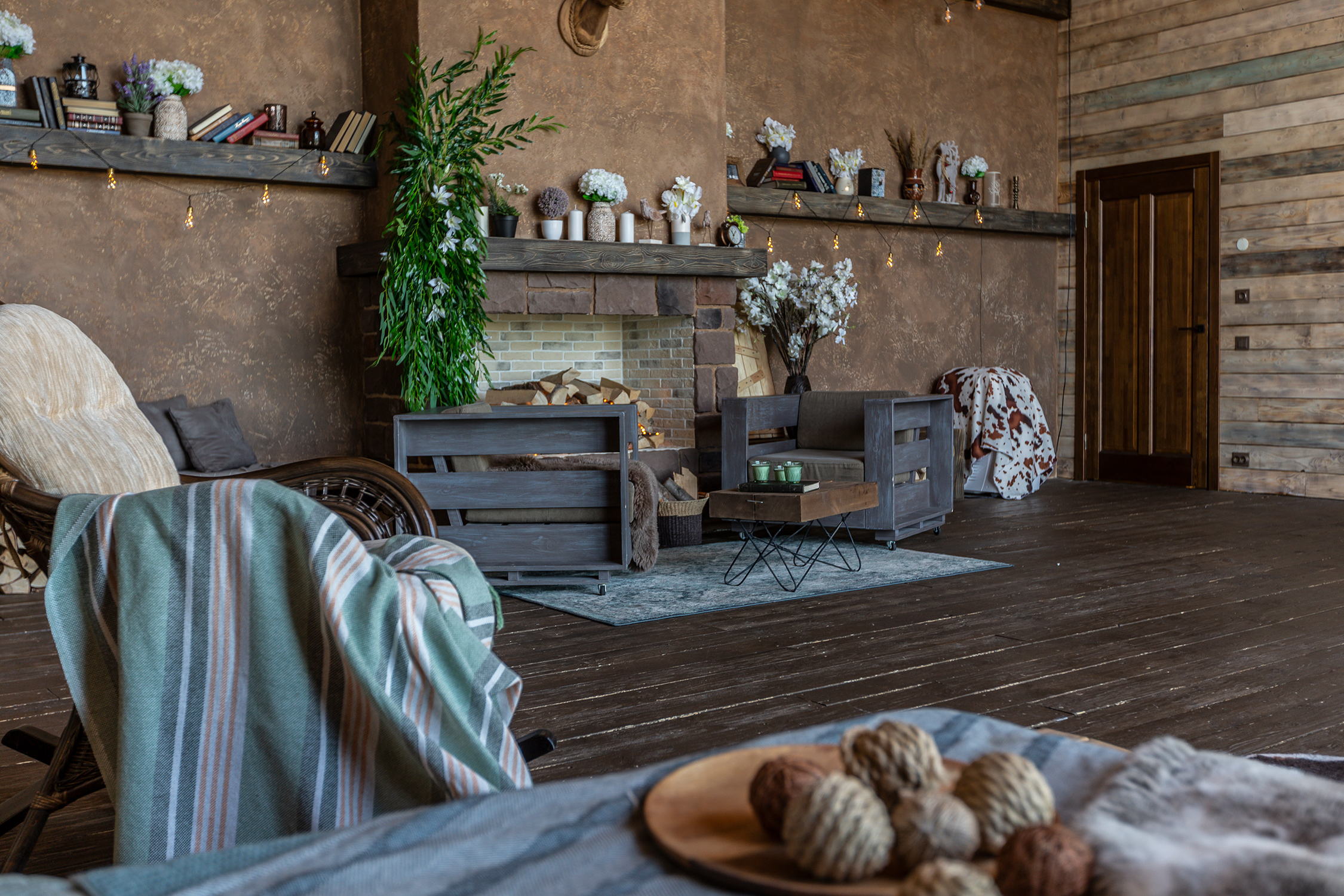
Along with the predominant use of wood, stone and organic textures provide a tactile experience. Exposed wooden beams, stone fireplaces and natural finishes form the heart of the rustic home, creating an ambience that is both nostalgic and grounded.
Colours
The colour palette focuses on earthy tones, such as brown, green, gold, grey and beige, evoking a calming environment with shades that offer warmth, serenity and a comforting connection to nature.
Additionally, you might want to add a splash of vibrant orange or sunflower yellow in a way that complements but doesn’t distract from the rustic design.
Sustainable accessories
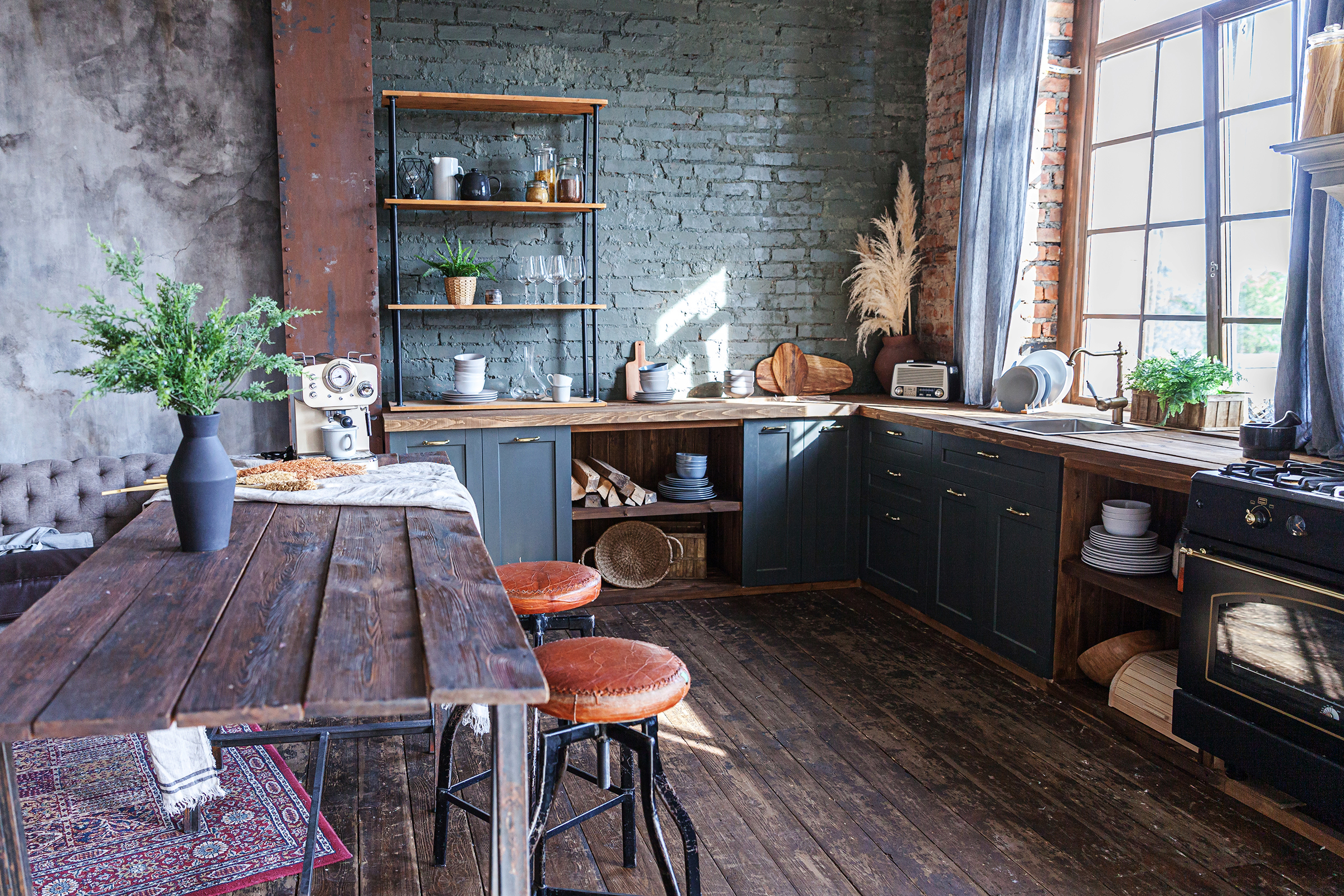
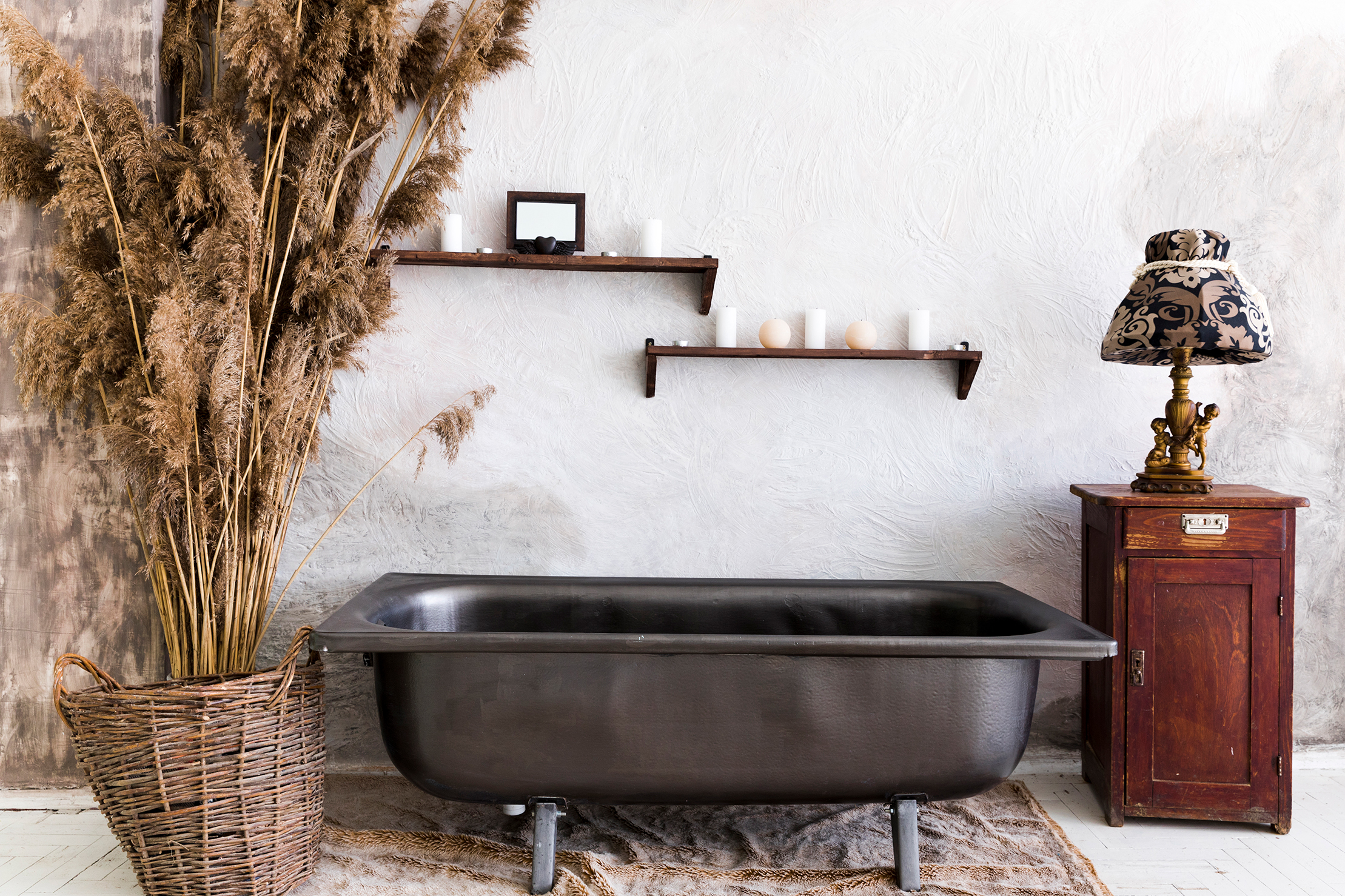
Include items found in nature, such as branches, logs and reclaimed wood; consider antique or weathered decor pieces; embrace wrought iron and pottery. And, if you wish, embrace sustainability with energy-efficient, eco-friendly options.
Existing interiors
Learning to balance ruggedness with fine-tuning is key. After all, you don’t want to rip out swathes of existing, polished, precision furniture just to embrace the ruggedness of rustic.
Instead, subtly blend modern amenities with rustic furnishings, such as wooden counters with worn finishes, or wooden tables with chipped paint, to create a harmonious space that echoes both styles.
Cost and detail
While achieving this look may seem a complex affair, it needn’t be. Thrifting or upcycling can often unearth gems perfect for a rustic makeover. A well-placed antique clock, a worn rug, or a lovingly restored wooden cabinet can transform a room without breaking the bank.
The future
The return of the rustic look is not simply a retreat to the past but a meaningful re-engagement with tradition and nature. It represents a holistic approach to living that recognises beauty in imperfection, finds joy in the authentic, and creates spaces that feel more like homes than mere living areas.
Whether you consider it classic or retro, the rustic look’s resurgence is more than a mere design choice. It’s a statement, a lifestyle, and a rich, textured reminder of the weathered simplicity that can exist at the core of interior design.

 yourlocallife.co.uk