When it comes to the UK’s favourite flowers, which rank highest?
In these golden months, we find ourselves surrounded by the moods, smells, flavours and essences of British summertime, and our gardens respond by reaching full bloom.
When we think about flowers, the connections are ones of positivity, invigoration, admiration and peacefulness. They can be given as gifts for love and affection, used for brightening up a room, laid out to make our outside spaces vibrant and a lure for all manner of visitors. Their uniqueness – in shape, colour, size and appearance – certainly references those we regard as our favourite varieties, as the UK’s top three choices confirm.
The less-than-humble sunflower
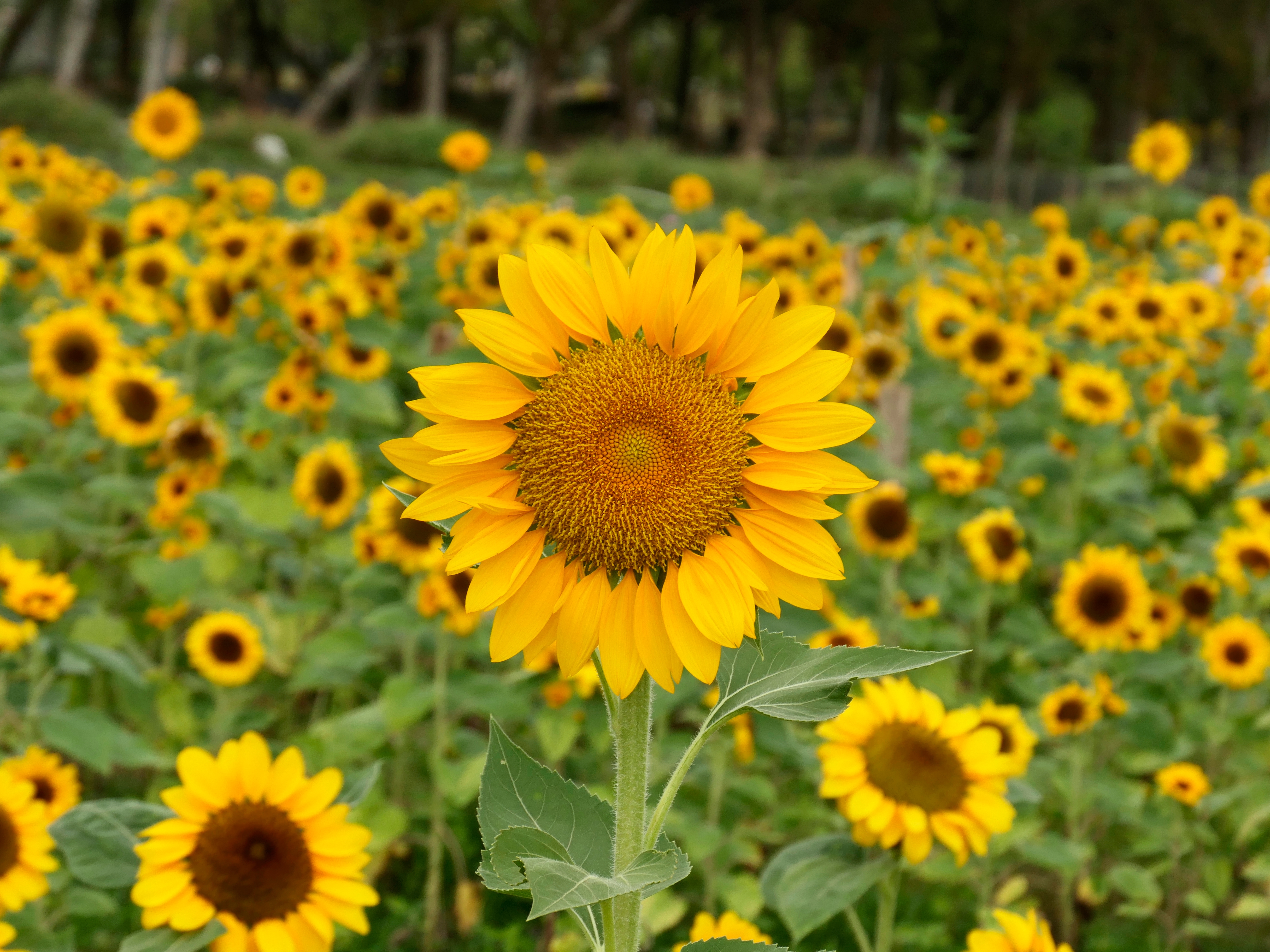
The sunflower became symbiotic with adoration and loyalty thanks to the myth perpetuated through the water nymph Clytie’s passionate love for the sun god Apollo. Unfortunately, Clytie’s love was unrequited. This saw Apollo worship the sun instead of his number one fan, and the sunflower followed suit. The famous painting of Van Gogh’s Sunflower was due to his fondness for the colour yellow, and in a letter to his brother, he wrote, “The Sunflower is mine.”
Helianthus is the flower’s Latin name – with ‘Helios’ meaning sun and ‘anthos’ flower, and the sunflower contains as many as 2,000 seeds. Indeed, it is actually not just one flower, but thousands of tiny little ones, with the tallest on record growing to over 30ft in height.
The luscious lily
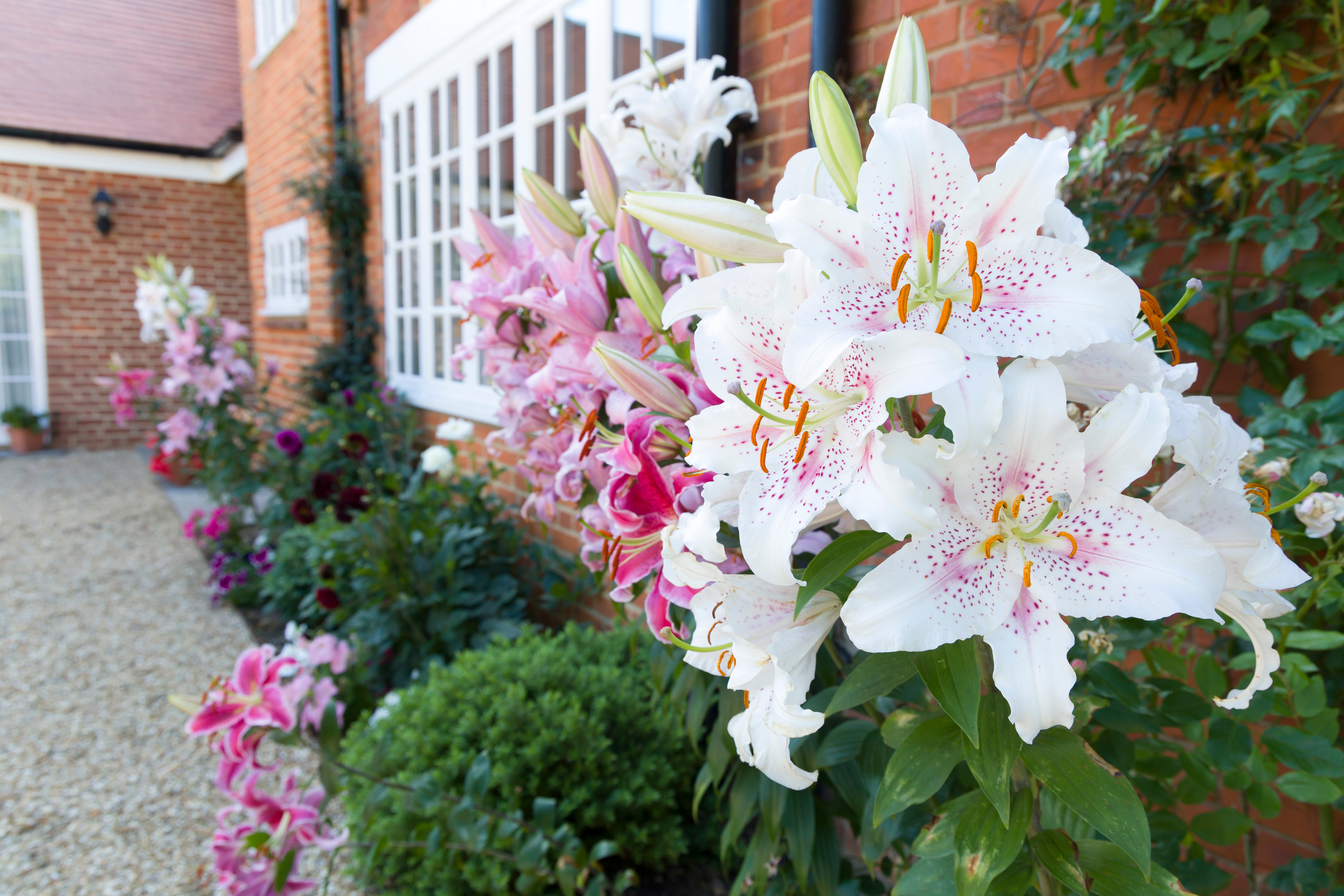
Lilies are bright and fiery flowers that symbolise passion and love, with the red variety perhaps the most inspiring. Like sunflowers, they have long been associated with fertility, purity and devotion, which means they’re perennially popular for links with new life and rebirth.
White lilies are the most used flowers at funerals and memorials in Britain, with the colour standing for serenity and peace. On this note, its relatively fleeting lifespan (10 to 14 days, on average) is said to have much in common with human existence – we are here, then we are gone.
There are a host of other colours that imply different meanings and emotions: light pink stands for elegance, femininity and generosity; dark pink is said to mean prosperity, abundance and ambition; yellow is happiness, gratitude and healing; while orange lilies speak confidence, encouragement and wealth.
The Lilium (Latin) has a genus of between 80 and 100 species, yet they can wildly range in size from a fairly diminutive plant barely 25cm off the ground to others that scale up to 7ft tall.
The resplendent rose
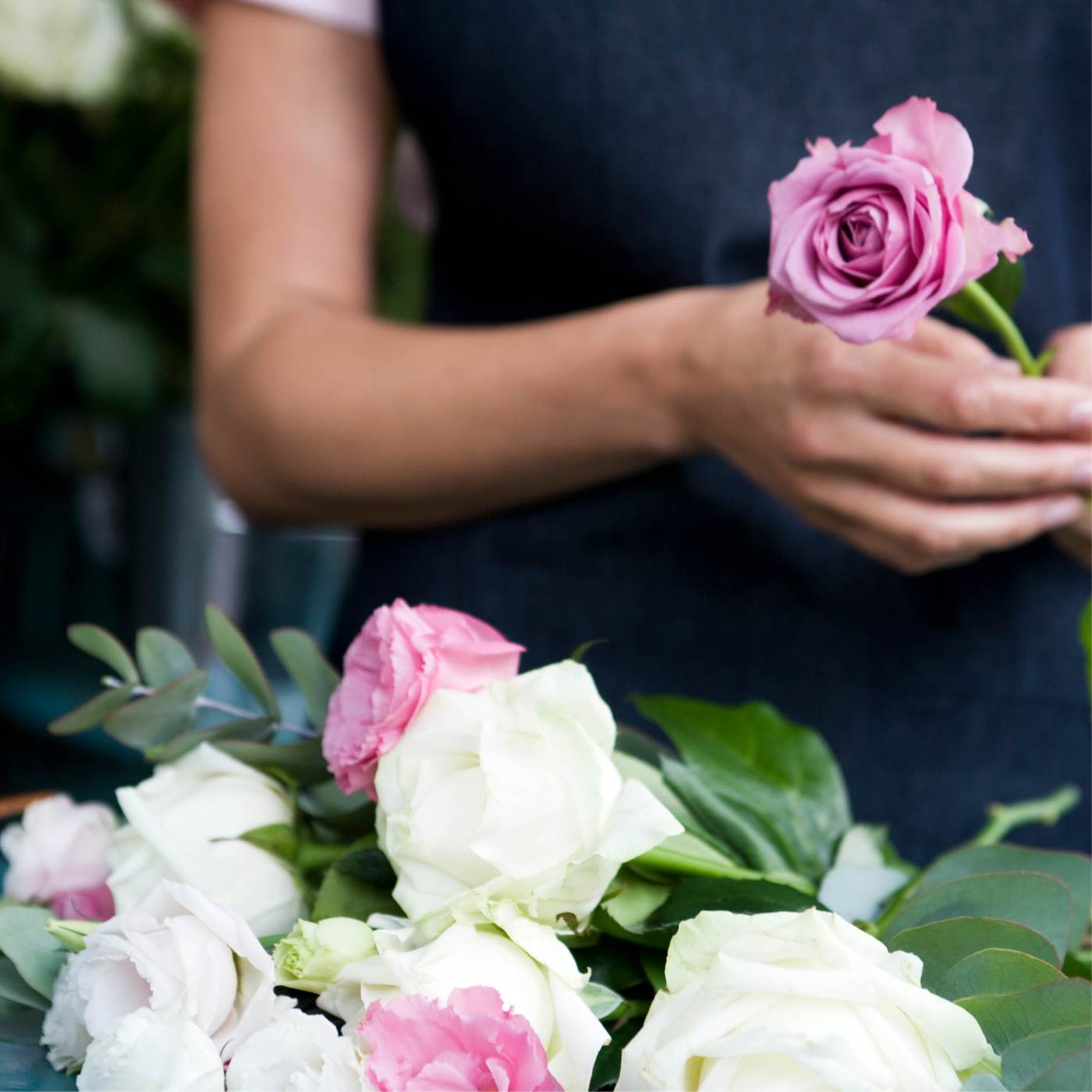
There are an amazing number of rose varieties in the United Kingdom – over 150 in total and more than 300 globally. The UK’s favourite is the Hybrid Tea, which is large and has well-formed, pointed blooms, yet they are high-maintenance and probably the least enduring rose.
Polyantha are known specifically for their bloom and are familiar because of their clusters of smaller flowers in different shades of white, red and pink. Floribunda, meanwhile, is a cross between Polyantha and Hybrid.
The botanical name for the rose is Rosa rubiginosa, and the etymology spans Greek and Persian culture and heritage. Mostly given as a romantic gift on Valentine’s Day and birthdays, the red rose is the ultimate icon of love and romance, but there are other colours and assortments with meanings.
Orange roses illustrate passion, excitement and energy; yellow indicates joy, friendship and gladness, while a soft shade such as peach is used to signify gratitude or a feeling of sincerity. Choosing a colour which symbolises an emotion is an art that takes practice, but no matter what you choose to give or grow, the pleasure is always yours!

 yourlocallife.co.uk