We all know there is pressure on our health system due to various factors, notwithstanding COVID-19. However, there is so much we can do for minor ailments and conditions, and a host of complementary healing practices can alleviate symptoms of mild diseases and conditions. Bernie Rowen-Ross suggests alternative healing methods.
Herbal teas
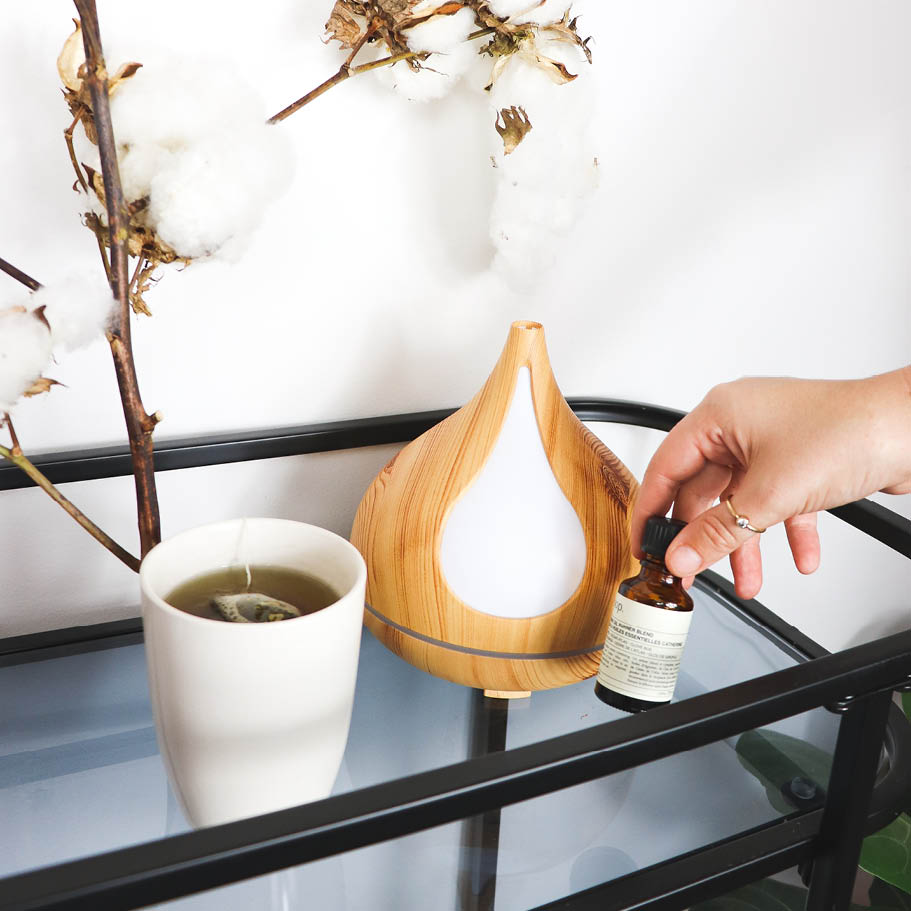
Many of our herbs found in the kitchen or garden are not only tasty but valuable. Peppermint for nausea or indigestion. Ginger for treating the symptoms of a cold, general digestive issues and much more.
Clinical Aromatherapy
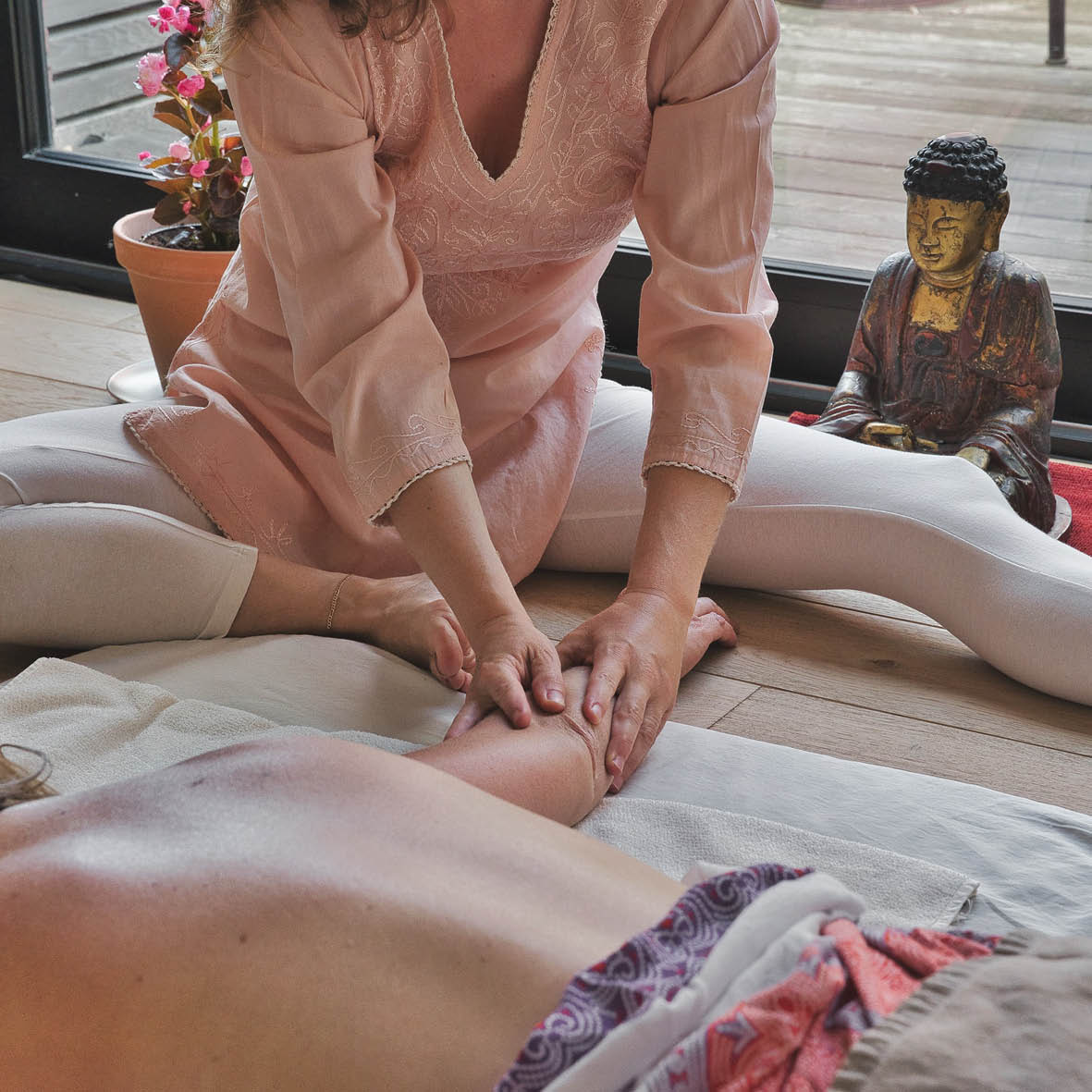
Massage with aromatherapy can assist in feeling better, just because it is relaxing. The International Federation of Aromatherapy tells us: “By 1896, a scientific revolution was underway, as chemical science was becoming ever-more developed. The new thinking involved isolating an active chemical compound from within a plant and synthesising it for mass production, enabling large quantities to be cheaply produced of a uniform standard. Unfortunately, this decision meant the synthetic versions contained very few of the therapeutic properties of the original.”
As clinical aromatherapy is much more sophisticated and researched, emotional and physical ailments respond positively. For example, we are familiar with the eucalyptus inhalant to ease cold symptoms and lift mild depression. You can use a blend of bergamot, lavender and ylang ylang in a carrier oil for a massage with a well-balanced mix of essential oils. But be aware that bergamot oil is phototoxic, and if you’re planning on being out in the sun, it should not be used on the skin. Each client has specific needs and individual treatment, and the aromatherapists’ task is to blend the oils suited to the client and condition.
Acupuncture
This ancient healing system treats the energy meridians to balance the chi or life force, disharmony in the body for different reasons and in many other areas, such as the aura, the mental and the physical levels. Acupuncture addresses this by treating and balancing the chi.
Aura cleansing
Our energy field gets affected daily by people we are in touch with, both positively and negatively, as well as environmental factors such as electromagnetic fields, wi-fi, and even noise pollution. I had the good fortune to meet researchers in this field in the late 1990s and early 2000 in St Petersburg, Russia, where research was ongoing into Kirlian photography and the aura, at the science and spirituality conferences. The aura or energy field responds very well to energy healing, often called hands-on healing. Other systems, including Reiki, are included in this category. Reiki is well known to be both uplifting and relaxing, as well as assisting the body in finding its level of balance.
Ayurveda
Ayurvedic massage therapy and Marma therapy work on chosen points in the body. According to your body and mind type, the treatment is healing and relaxing; there is much more to Ayurveda.
Hypnotherapy
Hypnotherapy assists clients in relieving insomnia, phobia and relaxation, and this modality has been used in psychotherapy for many years with great success. However, many feel they don’t want to be ‘under someone else’s power’; this is not what clinical hypnotherapy is. Under a hypnotic state, the client is in complete control, can withdraw at any time and is in an enhanced state of awareness but relaxed. There have been remarkable results from hypnotherapy. Unfortunately, it is stage entertainment that gives the wrong impression of hypnosis.
Yoga therapy
Some yoga teachers can help clients with specific health problems; this has been a lifesaver for me. I started practising yoga when I was suffering from back pain, and thankfully, I have been able to avoid surgery.
All of the therapies mentioned are available in East Lothian. Look out for them, help yourself feel good, and take responsibility for your health. Please note this article does not seek to replace or be medical advice. If you have a health condition, please see your medical practitioner.
in East Lothian, we have seen advertisements for Fringe by the Sea. So many of us will experience the shows and events that Fringe by the Sea offers; it is a wonderful time to be in East Lothian!
This set me thinking about the word fringe. The Webster online dictionary has quite a few definitions. Finge as we know it for hair, cut over the forehead. Edging to a scarf that weavers often make, part of the warp threads.
Being on the fringe is often described as being on the edge of something. Living on the fringe of the town is in the last street of the town. Living on the fringe of society, well, who are these people? What do we do? People who live on the fringe are often viewed as eccentric. But do we really know what eccentric living is? It is deviating from the established pattern.
About 30 years ago, my mother asked me when I would get a ‘real job’. What she meant was, when was I going to get into my car and go to an office or bank to work. I was and still am a consulting psychotherapist, and other than a short stint in hiring session rooms, I have always seen clients either on zoom or the equivalent or in my private consulting rooms attached to my home. Nowadays we are used to working from home, it is the new norm, but 30 years ago it was considered fringe or eccentric.
In western society, there are unwritten codes of practice based on good manners and even perhaps the holy books of our society; the Bible, the Vedas and the Talmud and Torah as well as the Quran. Writings of ancient history suggest that women cover their heads in many of these books. Yet, in some parts of the Amazon Forest, it is entirely acceptable for women to wear grass skirts and headdresses and walk around topless; if women did that here, they would be charged with public indecency. Oh… don’t get me started on what is considered decent and what isn’t! That is a whole different debate.
In Tibet some years ago, the doctor I was helping kept sticking his tongue out at me. I thought this quite disrespectful; after all, I had been brought up to understand that sticking your tongue out to someone is rude. However, after a while and some acute embarrassment, the translator explained this gesture was actually a mark of respect (whew!).
Back to the fringe. If you are an adult and feel like expressing yourself slightly differently – you would like to take a walk on the wild side or on the fringe. If this means expressing your authentic self a little differently, then go right ahead – if it is within the law, who will stop you? Sometimes it takes a brave step not to try to fit in with society. The great thinkers like CG Jung certainly didn’t try to keep in sync with society; look at the Beatles, they did something different, and it changed the face of popular music. Steve Jobs, the founder of Apple computers, was eccentric, as was Freda Kahlo, the great artist Salvador Dali, Freddy Mercury and Leonard Cohen. I could go on, but these people stepped out of the expected mould, and their presence on the planet changed how people view society. Individuation is an exciting journey, and it is often the ‘different’ people who make an impact, which is healthy. Otherwise, we would not have evolved into the exciting human race we are.
Bernie Rowen-Ross is a Psychotherapist and Complementary Therapist
e: bernierr@yahoo.com | t: 01620 844 321
 yourlocallife.co.uk